Couples therapy at discounted prices. Read More

Fear and Phobias

1. What Are Fear and Phobias?

Fear is a natural, adaptive response that helps us survive by alerting us to potential dangers. However, when fear becomes disproportionate to the situation or persistent despite the absence of real danger, it can evolve into a phobia. Phobias are intense, irrational fears of specific objects, situations, or experiences that significantly disrupt an individual’s life.

Unlike general fears, phobias often involve an overwhelming sense of dread or panic that can feel uncontrollable. They may develop as a response to past trauma, conditioning, or unresolved emotional patterns, becoming barriers to personal freedom and well-being. 

2. What are the differences between fear and phobia?

Fear and phobia both involve emotional responses to perceived threats, but they differ significantly in intensity, rationality, and impact on daily life.

Fear:

  • A natural, adaptive response to real or perceived danger, preparing individuals for “fight or flight.”
  • Typically, proportional to the actual threat and subsides once the threat is removed.
  • Serves a protective function by alerting individuals to potential hazards.

Phobia:

  • An intense, irrational fear of specific objects, situations, or activities that poses little to no actual danger.
  • Leads to avoidance behaviors and can significantly disrupt daily functioning.
  • Recognized as an anxiety disorder, with symptoms persisting for six months or more.

Key Differences

Rationality: Fear is a rational response to real threats; phobias are irrational and disproportionate to the actual danger.

Duration and Intensity: Fear is typically short-lived and appropriate; phobias are persistent and excessive.

Impact on Functioning: Fear usually doesn’t interfere with daily life; phobias can lead to significant avoidance behaviors and impair normal activities.
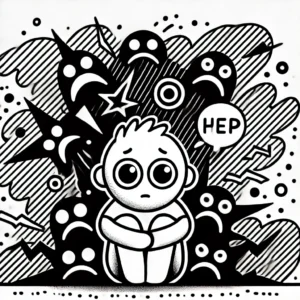
3. How Fear and Phobias Impact Us

  • Emotional: Constant fear triggers anxiety, worry, and avoidance behaviors, limiting the ability to live fully.
  • Cognitive: Phobias distort thinking, creating catastrophic beliefs like, “I won’t survive this” or “I can’t handle this.”
  • Physical: The body reacts with heightened arousal, including rapid heartbeat, sweating, trembling, or even nausea.
  • Relational: Fear and phobias can strain relationships, as avoidance behaviors may isolate individuals or create conflicts.

4. Types of Phobias

Phobias can take many forms, categorized broadly as:

  • Specific Phobias: Intense fear of specific objects or situations, such as heights (acrophobia), spiders (arachnophobia), or confined spaces (claustrophobia).
  • Social Phobia (Social Anxiety Disorder): Fear of social interactions, often rooted in a fear of judgment or rejection.
  • Agoraphobia: Fear of open or crowded spaces where escape might seem difficult. This can lead to significant lifestyle restrictions.
  • Complex Phobias: Often tied to deeper emotional or psychological issues, such as fear of intimacy or abandonment.

5. What Drives Fear and Phobias?

Fear and phobias often arise from a combination of factors, including:

  • Trauma and Conditioning: Past experiences, particularly traumatic ones, may condition the mind to associate certain triggers with danger.
  • Inherited Beliefs: Cultural or familial beliefs can shape fears, such as societal stigmas around failure or specific dangers.
  • Inner Parts (IFS Perspective): Phobias may be tied to protective parts of the psyche attempting to shield the individual from perceived harm or vulnerability.

Moving Beyond Fear

Fear is not something to eliminate but something to understand and integrate. When we explore the root of our fears with compassion, we discover hidden parts of ourselves longing for safety and connection. By healing the wounds behind fear, we reclaim our ability to live fully, courageously, and authentically.