
Addiction is more than a dependence on substances or behaviors; it is a coping mechanism that often masks deeper emotional pain, unmet needs, inadequacy, insecurity or unresolved trauma. At its core, addiction is a relationship—a bond formed with substances, behaviors, or patterns to escape discomfort or create a sense of relief. Over time, this relationship takes control, creating cycles of compulsion, guilt, and self-destruction.
Addiction isn’t a sign of weakness or failure—it’s an attempt to adapt, survive, or soothe. However, it becomes a trap, rewiring the brain’s reward systems, distorting the individual’s sense of agency, and often leading to isolation, shame, and physical or psychological harm.

Addiction manifests in diverse ways, from substances to behaviors, each carrying unique challenges and patterns to regulate emotions or escape emotional pain, boredom or emptiness.
The following conditions are not officially categorized as addiction but are very similar:
Addiction is rarely about the substance or behavior itself; it’s about the underlying pain, unmet needs, or unresolved trauma. Key drivers include:
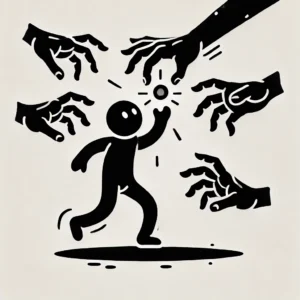
Addiction affects every aspect of life—mental, emotional, physical, and relational: